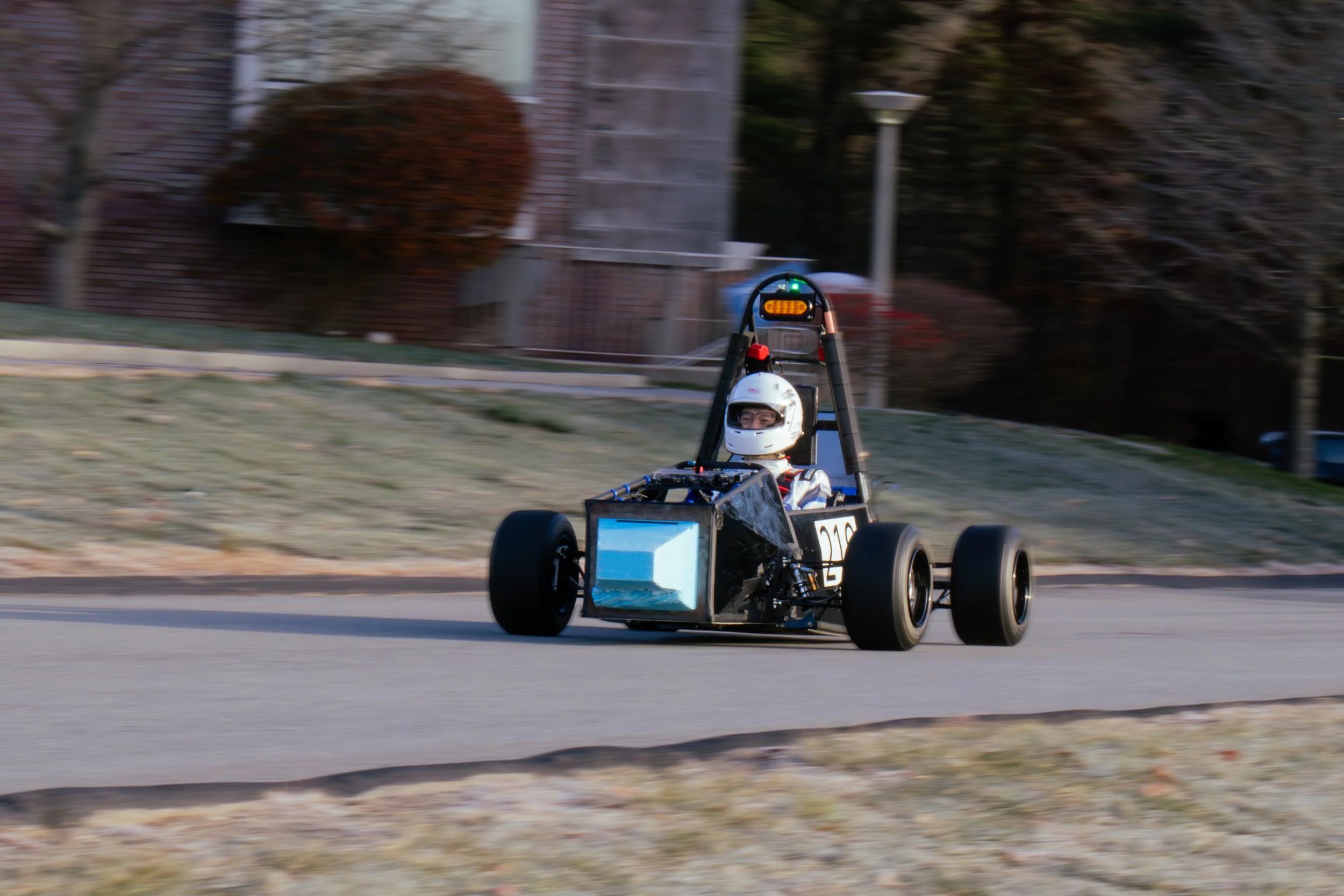
Olin Electric Motorsports Mk.8
Olin Electric Motorsports Mk.8
Overview:
Olin Electric Motorsports (OEM) is Olin College’s student-led Formula SAE Electric team. I’m excited to be part of the team building our seventh race car for the 2027-2028 season: the Mark 8.
My Roles:
Cockpit Lead
Driver
Projects:
Steering System
Brake System
For the 2025-2026 academic year, I am leading a five-person engineering team tasked with the design, fabrication, and testing of the Mk.8 cockpit. This role bridges the gap between advanced technical engineering and project management, allowing me to oversee complex mechanical systems while fostering a collaborative team environment. Explore my recent work via the project links to the right.
Brake System:
Project Overview
Responsible for the end-to-end development of the Mk.8 braking system, focusing on balancing high thermal performance with mass reduction to improve vehicle dynamics.
Technical Implementation
Selected Cast Iron (ASTM A48 Class 40) for the rotor material over titanium or carbon ceramic, prioritizing its superior thermal conductivity (>52 W/m*K) and cost-effectiveness for endurance racing.
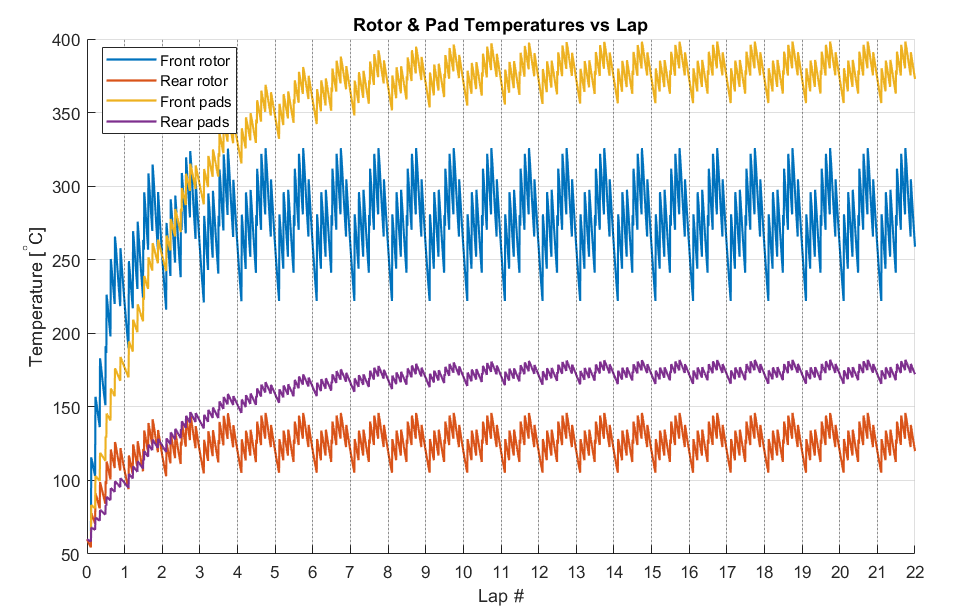
Developed a predictive thermal model in MATLAB to simulate rotor temperatures over a 22-lap endurance cycle, identifying rotor temperature behavior.
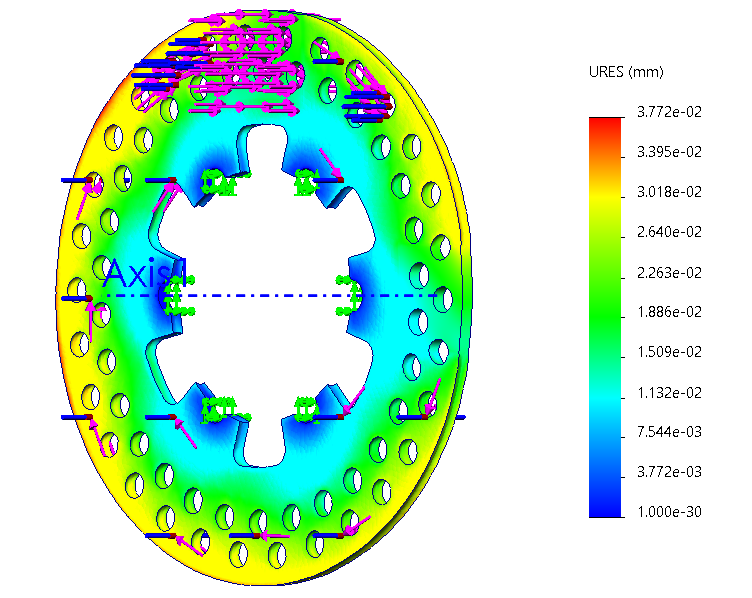
Validated the structural integrity of the cast iron rotor through FEA, ensuring a Factor of Safety (FOS) of 3.0 at maximum thermal and pressure loads
Integrated a Quick Disconnect (AN3) system into the brake lines to prioritize serviceability and rapid component replacement during testing
Switched to high-performance Wilwood GP200 2-piston calipers paired with BP-28 pads to ensure consistent friction coefficients (0.46 - 0.48) at high operating temperatures
Key Learnings
Learned to perform model validation by correlating theoretical simulations with empirical data from previous vehicle iterations (Mk.7) and data shared by peer teams
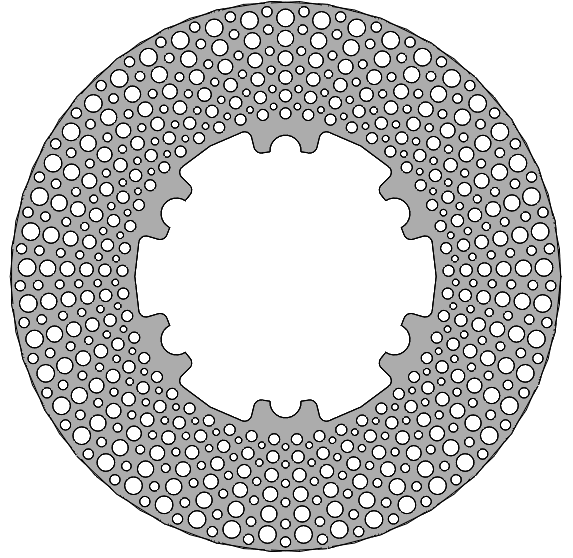
Mastered the trade-off between maximizing surface area for heat dissipation and minimizing the moment of inertia for better acceleration
Steering System:
Project Overview
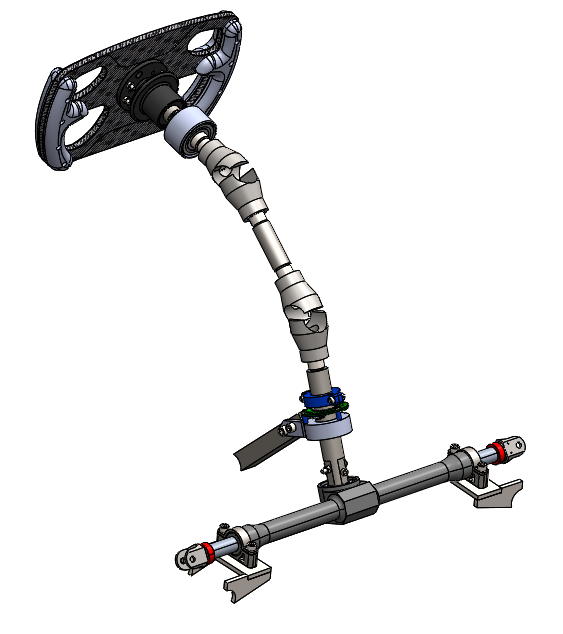
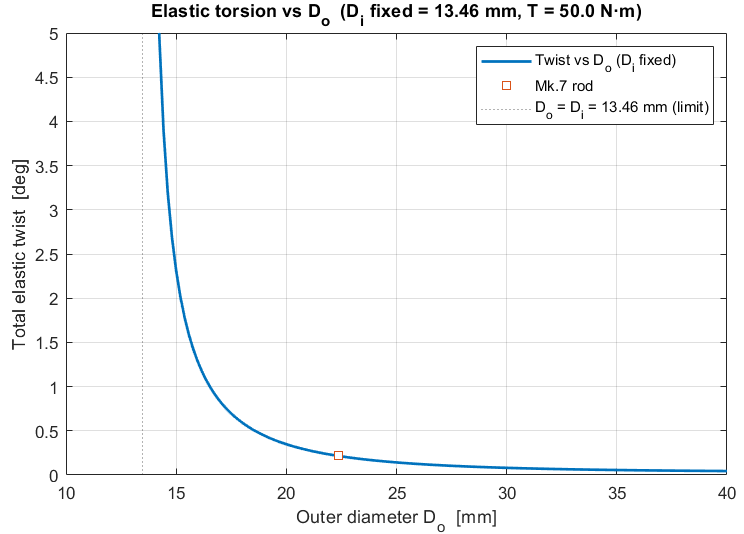
Designed and fabricated a high-precision steering linkage for the Mk.8 electric formula car, focusing on minimizing mechanical slop, reducing weight, and optimizing driver ergonomics.
Technical Implementation
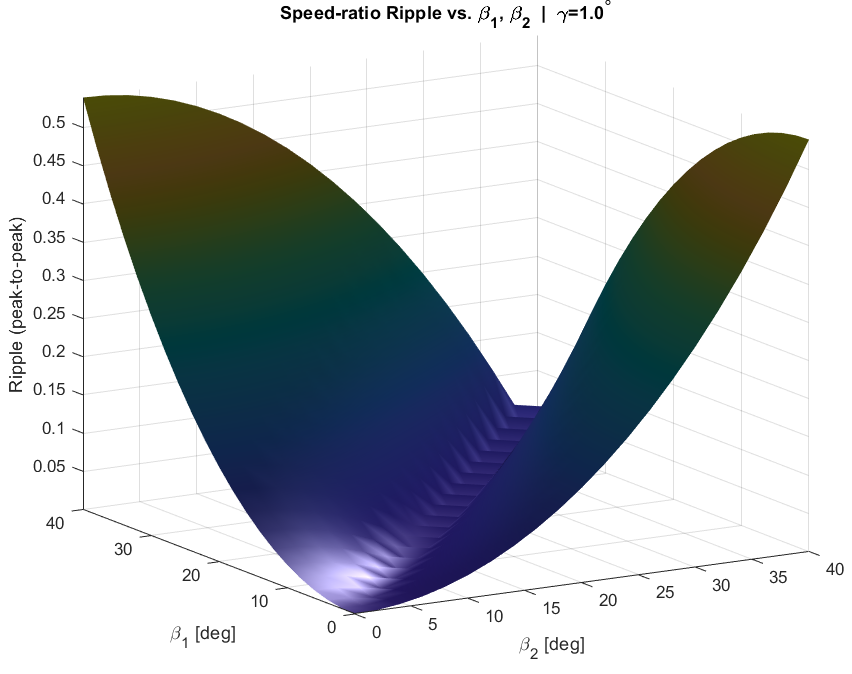
Implemented a math model to validate a dual U-joint configuration with matched bend angles to minimize rotational ripple and provide the driver with uniform steering feedback.
Analyzed the relationship between yoke phasing and speed-ratio ripple to eliminate non-linearities in the steering input.
Adjusted the steering column angle from 60° (Mk.7) to 55°, which moved the steering wheel 3.5 inches closer to the driver and 15° more vertical to optimize the cockpit layout
Executed a full fabrication plan involving precision lathe work for splined shafts, waterjet cutting for rack mounts, and TIG welding for chassis integration.
Key Learnings
Gained expertise in kinematic analysis, specifically regarding the phasing of universal joints to prevent velocity fluctuations in the output shaft.
Discovered the critical importance of fastener preload and material grading through failure testing, leading to a transition to Grade 12.9 M5 hardware for high-torque joints
Advanced my Design for Manufacturability (DFM) skills by iterating from complex, multi-part bearing cages to simplified, lathe-ready designs that reduced assembly time